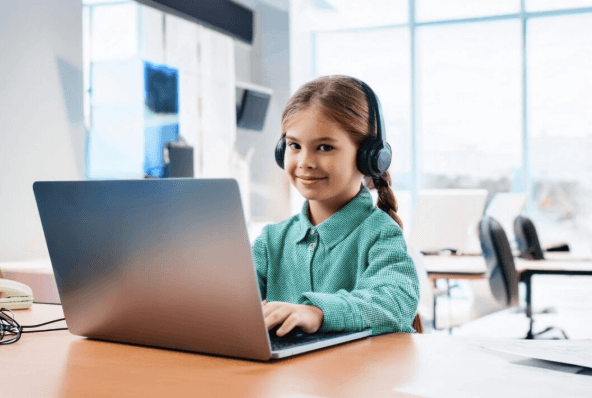
Smart devices tailor learning through adaptive analytics that adjust pace and content to individual progress. Dashboards reveal patterns for educators, guiding targeted interventions and effort-efficient planning. Real-time collaboration tools synchronize brainstorming and feedback, speeding iterative improvements across teams. Privacy, accessibility, and transparent evaluation underpin scalable, learner-centered workflows that preserve autonomy while supporting collective achievement. From pilots to scaled classrooms, these systems promise durable gains, but practical choices and governance will determine the pace and reach of impact.
What Smart Devices Do to Personalize Learning
Smart devices tailor learning by collecting and analyzing data on individual students’ interactions, progress, and pace. This enables adaptive analytics that adjust content and challenges to fit personal trajectories, while dashboards reveal patterns for educators.
Device interoperability ensures seamless resource access across platforms, reducing disruption.
The approach remains collaborative and practical, empowering learners with choice, autonomy, and measurable, data-informed progress.
How Devices Streamline Collaboration and Feedback
The use of devices to support personalized learning lays a foundation for streamlined collaboration and feedback by integrating real-time data with collaborative tools.
Devices enable synchronized brainstorming, transparent progress tracking, and rapid iteration across teams.
Collaboration tools centralize ideas, while feedback loops shorten revision cycles, align objectives, and quantify contributions.
Practically, schools gain scalable, autonomous workflows that preserve learner autonomy and collective achievement.
Evaluating Learning Environments: Security, Privacy, and Accessibility
Evaluating learning environments through the lenses of security, privacy, and accessibility requires a structured, evidence-based approach that balances safeguarding data with inclusive access.
The analysis emphasizes transparency, stakeholder collaboration, and repeatable measurements.
Key practices include privacy audits and data minimization, ensuring protections without restricting legitimate learning needs.
Findings guide policy refinement, resource allocation, and measurable improvements in equitable, secure educational experiences.
Implementing Smart Tech: From Pilot to Scaled Classrooms
Implementing smart technology in classrooms moves beyond isolated pilots by linking measurable outcomes to scalable practices, ensuring that initial gains translate into durable improvements.
This approach evaluates adaptive analytics to identify trends, informs iterative adjustments, and aligns teacher dashboards with district goals.
Collaboration among educators, administrators, and researchers enables practical rollout, data-informed decision making, and scalable, responsible adoption across varied learning environments.
Frequently Asked Questions
How Do Devices Adapt to Different Learning Paces in Real Time?
Adaptive pacing emerges as devices monitor responses, adjusting content in real time to match learner tempo. Real time feedback informs educators, enabling collaboration; data-driven insights guide personalized paths while maintaining freedom, efficiency, and measurable progress across diverse paces.
What Are the Costs and Funding Options for Smart Classroom Upgrades?
Costs vary widely; a cost analysis reveals upfront hardware, software, and maintenance, with potential long-term savings. Funding strategies include grants, phased deployments, and public-private partnerships; collaborations among districts can optimize ROI while preserving educational freedom and data integrity.
How Do Smart Devices Impact Student Motivation and Engagement Long-Term?
Smart devices influence student motivation and engagement long-term by supporting personalized feedback and collaborative tasks; motivation metrics and engagement analytics reveal gradual shifts, guiding practical adjustments. Data-driven, collaborative approaches empower freer, more informed decisions for sustained improvement.
What Training Is Required for Teachers to Maximize Device Use?
Training protocols and classroom microcredentials empower teachers to maximize device use, enabling coordinated, data-driven practice; coincidental alignments show educators collaborating across districts, refining protocols, sharing results, and sustaining practical, freedom-oriented approaches to scalable, measurable technology-enabled learning.
See also: How Artificial Intelligence Supports Smarter Data Analysis
How Can Schools Ensure Equitable Access for All Students?
Schools pursue equitable access by ensuring device pooling, community partnerships, and targeted funding options; data-driven planning identifies gaps, tracks usage, and guides transparent decisions. Collaborative frameworks, pragmatic milestones, and flexible governance support sustainable, freedom-minded implementation across diverse student needs.
Conclusion
Smart devices reshape classrooms by translating individual progress into collective momentum. In a pilot, a school tracked a 22% uptick in personalized task completion after deploying adaptive dashboards, enabling teachers to reallocate support where it mattered most. This data-driven approach keeps learners autonomous while aligning with group goals, ensuring transparency for families and administrators. As classrooms scale, the rhythm remains: real-time insight, targeted intervention, shared accountability, and durable improvements that balance privacy with collaboration.